








Stepping Toward Sustainability: The Impact of End-to-End Traceability on Shoe Choices
Sustainable fashion is no longer just a trend; it has cemented itself as a necessity in the modern world. As conscious consumers, we are beginning to understand how our choices affect the environment and communities worldwide. This growing awareness brings critical questions to the forefront: How do we know that the products we choose are made responsibly? How can we ensure our footwear choices contribute positively to the planet? End-to-end traceability offers a pathway to answer these questions and create a more sustainable future. In this article, we will delve into how traceability influences responsible shoe choices and how we can champion eco-friendly footwear through informed choices.
When it comes to footwear, the variety available can be overwhelming. Shopping for shoes shouldn't only focus on style and comfort, but also on the methods and materials used during production. End-to-end traceability provides a transparent overview from sourcing materials to the manufacturing process. By following the journey of a shoe, we can uncover the environmental impacts, labor practices, and sustainability metrics behind it. This awareness allows us to make informed decisions about our purchases, supporting brands that prioritize ethical practices and sustainability.
Understanding the Basics of Traceability
What Is End-to-End Traceability?
End-to-end traceability refers to the ability to track a product at every stage of its lifecycle. In the footwear industry, this means knowing where the raw materials come from, how they are processed, and the geographical and ethical dimensions of the production process. This concept is not only pivotal for ensuring quality but also crucial for affirming the brand's commitment to sustainability.
Key Components of End-to-End Traceability
-
Raw Material Sources: Understanding where materials like leather, cotton, or rubber are sourced helps us gauge their environmental impact.
-
Supplier Practices: Knowing who the suppliers are, their labor practices, and whether they adhere to fair trade standards is essential.
-
Production Processes: The manufacturing techniques and technologies used not only affect quality but also the environmental footprint.
-
Distribution Channels: Understanding how and where products are distributed can shed light on the carbon footprint of transportation.
-
End of Life: Awareness regarding how shoes are disposed of can support circular fashion practices, reducing waste in landfills.
The Influence of Traceability on Brand Trust
As consumers become more aware of sustainability, the demand for transparency rises. Brands that embrace end-to-end traceability foster a greater sense of trust among their customers. By openly sharing information about their production processes and materials used, we can discern which companies genuinely adhere to sustainable practices.
Benefits of Transparency:
- Helps build a loyal customer base willing to invest in responsible products.
- Allows consumers to hold brands accountable for their sustainability claims.
- Encourages brand improvements to meet consumer expectations for eco-friendly practices.
By choosing brands that prioritize traceability, we also pave the way for a shift towards higher industry standards that promote sustainability.
The Role of Sustainable Material Choices
Sustainable Materials: The Heart of Eco-Friendly Footwear
Incorporating sustainable materials in footwear design is a major step toward reducing the ecological footprint. This includes using organic, recycled, or regenerated resources that minimize the use of fossil fuels or other harmful substances. By selecting eco-friendly materials, we can not only reduce our impact on the planet but also support industries that prioritize sustainability.
Popular Sustainable Materials in Footwear:
-
Organic Cotton: Traditionally grown cotton requires vast amounts of water and pesticides. Organic alternatives do not, significantly reducing environmental degradation.
-
Recycled Rubber: Using recycled rubber for shoe soles reduces landfill waste and lowers resource consumption.
-
Vegan Leather: Made from plants or synthetic materials, vegan leather provides a cruelty-free alternative to traditional leather, often with a lower carbon footprint.
-
Natural Fibers: Hemp and jute are examples of sustainable fibers that have minimal environmental impact.
Understanding Conscious Choices: How Material Choices Affect Sustainability
When we choose footwear made from sustainable materials, we are not only making an ethical choice but also a healthier one for the environment. It creates a domino effect:
- Reducing Waste: Sustainable materials help divert waste from landfills, leading to cleaner communities.
- Lowering Carbon Emissions: Eco-friendly materials need less energy to produce, lowering their overall carbon footprint.
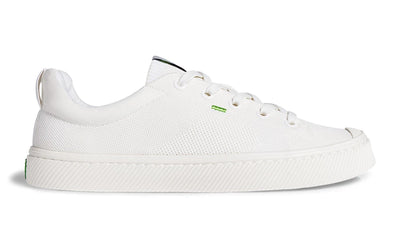
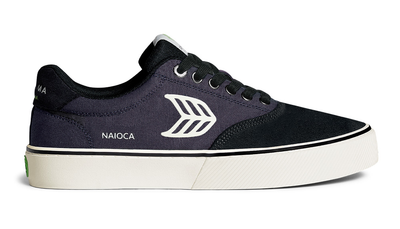
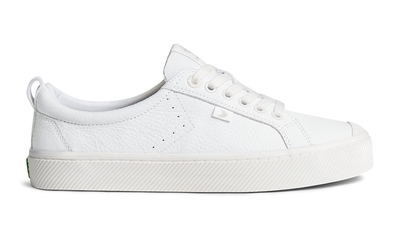
With options like our OCA Low Leather Sneakers and Ibira Women boots, we can choose comfort, style, and sustainability.
The Process Behind Ethical Manufacturing
Why Manufacturing Practices Matter
Manufacturing is a crucial stage in the lifecycle of our shoes. Understanding the impacts of different production practices can help us make conscientious choices. Ethical manufacturing encompasses a variety of factors, including labor rights, working conditions, environmental safeguards, and community engagement.
Components of Ethical Manufacturing:
- Fair Labor Practices: Ensuring fair wages, safe working conditions, and reasonable hours to support workers' rights.
- Eco-Friendly Processes: Manufacturing techniques that minimize waste and energy use, leading to a reduced ecological footprint.
- Community Engagement: Brands that actively support their local communities often reflect a commitment to corporate responsibility.
Certification and Standards: Your Guide to Sustainable Choices
Many companies are now pursuing certifications from reputable organizations to authenticate their ethical practices. Here are three key certifications to consider:
| Certification | Description | Importance |
|---|---|---|
| Fair Trade | Ensures fair wages and sustainable practices for producers globally. | Promotes ethical labor practices. |
| Global Organic Textile Standard (GOTS) | Certifies organic products that are environmentally and socially responsible. | Supports organic farming and eco-friendly methods. |
| OEKO-TEX Standard 100 | Tests textiles for harmful substances, ensuring safety for consumers. | Ensures materials are free from harmful chemicals. |
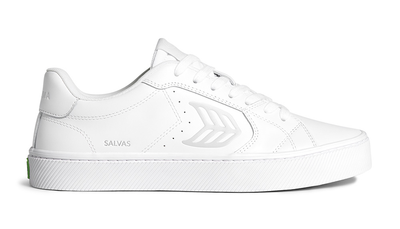
When we support brands committed to ethical manufacturing, we are contributing to a movement that values people and the planet. For instance, our Salvas Leather Men shoes reflect this philosophy by combining sleek design with responsible manufacturing.
The Impact of Consumer Choices on the Planet
The Power of Conscious Consumption
Every shoe purchase becomes an opportunity to consciously engage with sustainability. By supporting brands committed to end-to-end traceability, we create a demand for wider industry changes. The movement towards sustainability relies on our choices, pushing brands to adopt more responsible practices.
As conscious consumers, we can adopt the following practices:
- Research Brands: Investigate the brands we choose, looking for those with transparent supply chains.
- Prioritize Quality: Investing in high-quality products often leads to a longer lifespan, reducing waste.
- Support Local: Buying from local artisans or brands can reduce carbon footprints associated with transportation.
- Choose Versatility: Opt for styles that can be worn in different settings, promoting longevity in our wardrobe choices.
By making informed decisions, we not only reduce our own environmental impact but also influence others to consider sustainability in their purchases.
Advocacy Through Fashion: Using Our Voice
As consumers increasingly advocate for sustainable practices, our influence extends beyond purchasing decisions. We can share our knowledge and promote eco-friendly products within our communities and social media platforms. By standing up for sustainability, we build awareness about the importance of traceability in the fashion industry.
Ways to Advocate for Sustainable Fashion:
- Social Sharing: Use social media to share information about sustainable brands and practices.
- Community Engagement: Host local events or workshops focused on eco-friendly fashion.
- Support Legislation: Advocate for policies that encourage sustainable practices across industries.
By amplifying our collective voices, we can push for transparency and conscious consumerism, encouraging brands to step up their sustainable efforts.
Roots of Traceability: Reflecting on Our Journey
The path to sustainability is not a destination but an ongoing journey. By embracing end-to-end traceability, we pave the way for a brighter future in fashion, where each step we take is rooted in responsibility and respect for our planet.
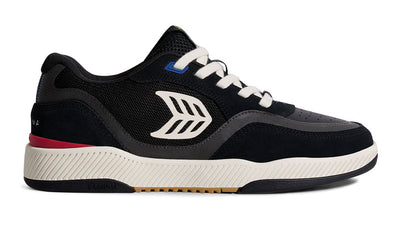
The choices we make when it comes to footwear can have a profound impact, enabling us to support sustainable practices and positively influence the world. As we strive for a more sustainable future, we can confidently choose high-quality, eco-friendly products, such as our OCA THERMA High Women boots and CATIBA PRO Low Men sneakers, which embody the principles of traceability and responsible production.
Let us continue stepping into the future with intention, supporting brands that uphold our values and inspire a commitment to sustainability.
A Step Toward a Greener Tomorrow
As we stand at the crossroads of fashion and responsibility, it is our choices that will determine the direction we take. By prioritizing brands that emphasize end-to-end traceability, we engage in a powerful movement that promotes sustainability. Each decision to purchase footwear that reflects these values not only supports ethical practices, but also empowers us as consumers to create meaningful change in the industry.
Through the collective power of informed choices and advocacy, we not only influence the companies that produce our footwear but also help to set new standards for the industry that prioritize people and the planet. As we embark on this journey together, let us choose to step forward with intention, ensuring that our footwear choices are a reflection of our commitment to a more sustainable future.
Embrace the journey—discover our range of sustainable footwear tailored for thoughtful consumers here. Together, we can make a difference one step at a time.
 Secure Payment
 Express Shipping
 Free Returns
 Top Rated
 Winterproof


