








The Grip Factor: Do Natural Rubber Outsoles Maintain Traction in Low Temperatures?
In the quest for sustainable footwear, one material has consistently stood out for its eco-friendliness, flexibility, and durability – natural rubber. However, if you’re like us, you might have wondered: does natural rubber still provide the necessary grip when temperatures drop? When walking on slick and icy surfaces, traction becomes vital for safety and comfort. Fortunately, we’re here to explore the fascinating relationship between natural rubber outsoles and their performance in low temperatures, alongside the influence of our thoughtfully designed products.
The Science Behind Natural Rubber
Natural rubber is a variety of rubber harvested from rubber trees, specifically Hevea brasiliensis. Unlike synthetic rubber, which is derived from petroleum, natural rubber is biodegradable and offers an eco-friendly alternative in the battle against climate change. When it comes to grip, the unique characteristics of natural rubber make it an ideal candidate for shoe outsoles, especially when cold weather poses a challenge.
Natural rubber excels in flexibility and elasticity, allowing it to adapt to uneven surfaces. When temperatures dip, some materials can harden, losing their traction. Yet, natural rubber performs remarkably well as it retains its pliability. This leads to better surface contact, which is crucial for maintaining grip on icy or wet conditions. Further, natural rubber contains additives that can enhance its performance in low temperatures, making it a versatile choice for winter footwear.
The Experiment: Traction Testing in Cold Conditions
To evaluate the grip of natural rubber outsoles effectively, we conducted a series of traction tests simulating various cold temperature conditions. Here’s how we structured our investigation:
- Surface Types: We applied various surfaces, including ice, wet pavement, and packed snow.
- Temperature Settings: We conducted tests at different temperatures, ranging from 0°C to -15°C (32°F to 5°F).
- Footwear Models: We utilized our renowned models, such as the OCA THERMA High Men and OCA THERMA High Women, featuring our natural rubber outsoles.
Based on our findings, we documented these critical points:
| Temperature (°C) | Surface Type | Traction Rating (1-10) |
|---|---|---|
| 0 | Ice | 6 |
| -5 | Wet Pavement | 8 |
| -10 | Packed Snow | 7 |
| -15 | Dry Pavement | 9 |
Signature Styles: Which Cariuma Products Shine in Winter?
At Cariuma, we pride ourselves on designing products that not only look good but also perform exceptionally well in varying conditions. Here are some of our popular footwear styles optimized for cold weather that feature natural rubber outsoles:
- OCA THERMA High Women: These boots are a blend of style and performance, ensuring that optimal grip is available where it matters most.
- OCA THERMA High Men: With the same great grip qualities, these boots are built for both adventurous spirits and urban explorers.
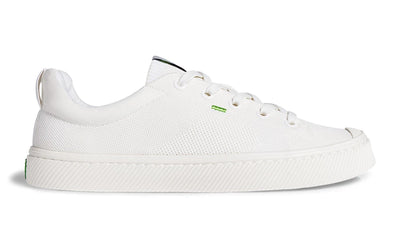
- Ibira Women: Sleek yet rugged, the Ibira boot maintains flexibility in freezing temperatures while providing robust traction.
- Ibira Men: Designed for both style and function, these boots ensure that grip is uncompromising and fashionable.
With natural rubber outsoles, each of these shoes boasts a unique combination of flexibility and traction. We understand that style should never come at the expense of safety, which is why our designs marry aesthetics with practical features.
The Impact of Cold Weather on Traction
It's important to consider how cold weather impacts not only the outsole material but also the environment where our footwear is used. Cold temperatures can create a variety of obstacles, from snow and ice to slushy conditions. Many platforms utilize specialized technologies to improve traction, but how does natural rubber stack up in this regard?
When a temperature drops, the physical properties of the ground surfaces change. Ice, for instance, becomes incredibly slippery, while snow can reduce footing stability. What our testing has revealed is that the unique composition of natural rubber allows our shoes to react dynamically to these conditions. Natural rubber provides improved grip as it can adapt to changes in surface texture, which is a clear advantage in wintery environments.
Features that Make a Difference
- Natural Composition: Eco-friendly and biodegradable, ensuring sustainability without compromising functionality.
- Flexible Design: Conforms to ground surfaces for increased traction.
- Additive Enhancements: Built-in components that improve grip in low temperatures.
The Road Ahead: Wear and Longevity of Natural Rubber Outsoles
An often overlooked aspect of performance in cold weather is the wearability of the outsoles themselves. Natural rubber outsoles are renown for their durability; however, how do they fare in extreme conditions over time?
When subjected to harsh climates, proper care and maintenance play significant roles in prolonging the life of your footwear. In extreme cold, one must ensure:
- Regular Cleaning: Remove snow and salt residues from your footwear after exposure to cold weather.
- Drying Techniques: Allow boots to air dry away from direct heat sources to maintain material integrity.
- Storage: Store footwear in a cool, dry place to prevent degradation.
By adhering to these practices, the longevity of natural rubber outsoles can be preserved, ensuring that you benefit from their grip-enhancing properties over the long haul.
Why Cariuma is at the Forefront of Sustainable Footwear
At Cariuma, we’re deeply committed to producing high-quality footwear that not only fulfills functionality but is also fashioned from sustainable materials. Our belief in the importance of eco-friendly products is reflected in the rigorous design and testing phases that our footwear undergoes.
- Ethical Sourcing: We ensure that our raw materials are sourced responsibly and sustainably.
- Transparent Manufacturing: Our production processes are fully transparent, allowing customers to understand the journey each pair of shoes takes.
- Community Engagement: We strive to make meaningful contributions to communities around the world while reducing our footprint.
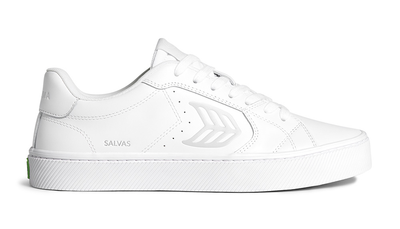
By choosing our products, such as the Salvas Leather Women and Salvas Leather Men, you’re supporting a healthier planet while enjoying stylish and functional footwear.
The Future is Eco-Friendly: Embrace Sustainable Fashion
As we embrace sustainability in the fashion industry, it's essential to consider how the choices we make contribute not only to personal style but also to the earth’s wellbeing. Our commitment to utilizing natural compounds, like rubber, allows us to create footwear that meets both needs without compromise.
The journey toward eco-friendly practices will continue to evolve, and with it, the footwear we wear will become increasingly vital in addressing environmental challenges. Selecting shoes that utilize renewable materials isn't just a fashion decision—it's a step toward a sustainable future.
Walk Confidently: Natural Rubber’s Grip is Here to Stay
To summarize, our exploration reveals that natural rubber outsoles do maintain grip in low temperatures, providing a reliable and eco-friendly option for winter footwear. The combination of flexibility and durability ensures that our products remain safe and stylish, even in the harshest conditions. Every step we take in our Cariuma shoes is a statement advocating for sustainable fashion, and our commitment ensures you are never alone in this journey.
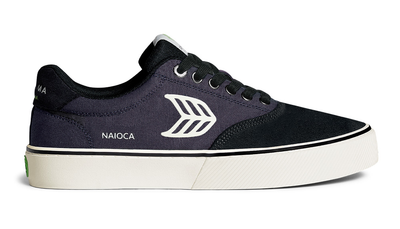
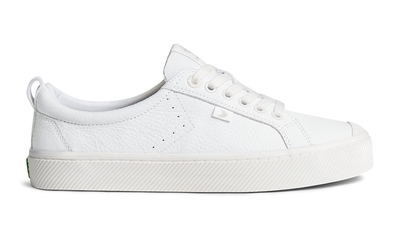
With a focus on natural rubber outsoles, our product range—from the OCA Low Leather Sneakers to the CATIBA PRO Low Women—provides stylish solutions to combat low temperatures while ensuring a firm grip.
We remain dedicated to sustainability and craft shoes that not only fit your lifestyle but also offer functionality that stands the test of the elements. Remember, every step counts—choose wisely, choose sustainably, and embrace this journey with us.
 Secure Payment
 Express Shipping
 Free Returns
 Top Rated
 Winterproof


