








The Art of Silent Steps: Outsole Patterns for the Elusive Grip
In the realm of sustainable footwear, where comfort meets style, one essential aspect of shoe design often goes unnoticed: the outsole pattern. This crucial element plays a decisive role in how silently we traverse spaces like marble corridors and grand auditoriums. Understanding which outsole patterns offer quiet traction can elevate our sneaker experience to an auditory delight—less slip, less noise. Today, we will explore the intricacies of outsole patterns, their construction, and how they harmonize with our environment, particularly focusing on loafer sneakers. We aim to guide you through the fascinating realm of footwear traction, showcasing how our commitment to sustainability aligns with innovation.
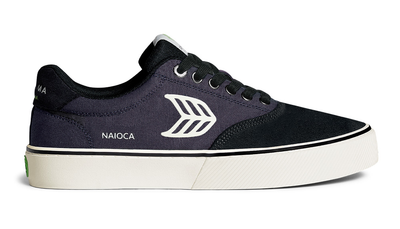
Before we dive deeper into this footwear analysis, it’s worth mentioning our ongoing dedication to creating eco-friendly shoes that don't compromise on style or performance. For those seeking comfortable and sustainable options, we invite you to explore our unique collection of shoes on Cariuma.
Understanding the Importance of Outsole Patterns
The Basics of Shoe Outsoles
Shoe outsoles serve as the primary point of contact with the ground, and their design influences traction, durability, and comfort. Typically made from rubber or synthetic materials, outsoles can feature various tread patterns that cater to different walking surfaces. The right tread design is particularly crucial for spaces with slick surfaces, such as marble or polished wood.
Key Benefits of Proper Outsole Design
- Traction: A well-designed outsole maximizes grip, allowing for smooth movement without slipping.
- Noise Reduction: Certain tread patterns can minimize sound travel, making footsteps quieter.
- Durability: Quality materials and designs ensure that the outsole withstands wear and tear.
- Comfort: Good cushioning and flexibility contribute to overall foot comfort.
Factors Affecting Outsole Performance
Several factors contribute to how well an outsole performs in terms of traction and noise reduction:
- Material Composition: Different rubber compounds can affect grip levels and sound levels.
- Tread Patterns: The arrangement and depth of grooves impact both traction and sound.
- Surface Texture: Whether smooth or serrated, textures play a role in noise mitigation.
| Factor | Description | Impact on Performance |
|---|---|---|
| Material Composition | Types of rubber or synthetics used | Determines grip and durability |
| Tread Patterns | Configuration of grooves and shapes | Influences traction and noise levels |
| Surface Texture | Smooth vs. textured surfaces | Affects how sound is absorbed or deflected |
Outsole Patterns That Excel in Quiet Traction
The Perfect Balance of Style and Function
When it comes to loafer sneakers, the right outsole design can create an elegant balance between aesthetics and functionality. For example, a sneaker with a flat, slick rubber outsole may look fashionable but often lacks the required traction on smoother surfaces. Conversely, an aggressive tread pattern may provide excellent grip but can create unwanted noise.
Types of Effective Outsole Patterns
- Chevron Tread: Common in athletic shoes, the zigzag pattern allows for both grip and flexibility, making it suitable for varied surfaces.
- Circular Pattern: Featuring small circular grips, this tread design creates a sound-absorbing effect as it distributes weight evenly.
- Directional Grooves: These are elongated grooves that channel away liquids and provide traction without much noise.
Why Choose Loafer Sneakers?
Loafer sneakers, a hybrid between formal and casual footwear, allow us to navigate professional settings with comfort and style. They provide the durability of sneakers while maintaining the refined appearance of loafers. Within our collection, you'll find options that marry comfort with sustainable production, ideal for marble corridors and well-polished auditoriums. Check out our stylish and eco-friendly selections by visiting our products.
Testing Traction: How to Evaluate Outsoles
Real-World Application of Outsole Patterns
Testing different outsole patterns in real-world scenarios provides insight into their effectiveness. Factors such as surface type, moisture levels, and even shoe weight can impact performance. The best way to assess how a shoe performs is through practical trials and user experiences.
Evaluative Criteria for Outsole Performance
- Slip Resistance: Conduct tests on various surfaces to evaluate how well the outsole grips.
- Sound Level: Walk quietly in a sound-sensitive area to assess noise levels during movement.
- Wear Resistance: Monitor the outsole durability over time with regular use on hard surfaces.
Practical Testing Methods
To analyze these aspects, consider the following methods:
- Surface Walk Test: Walk on marble and smooth wood while monitoring slip occurrence.
- Sound Level Evaluation: Use audio recording equipment to measure peak noise levels when walking.
- Durability Assessment: Track the longevity of outsole performance through regular wear over months.
| Testing Criteria | Method | Description |
|---|---|---|
| Slip Resistance | Walk Test | Compare traction on different surfaces |
| Sound Level | Audio Testing | Measure noise levels produced when walking |
| Wear Resistance | Long-term Use | Observe changes in outsole condition over time |
Reflecting on Quiet Traction: Sustainable Solutions
The Future of Footwear Design
As we consider the importance of quiet traction and sustainable practices, it’s clear that sneaker design is evolving. By incorporating environmentally friendly materials and innovative designs, we’re at the forefront of a shifting paradigm that prioritizes both sound management and ecological responsibility. Our commitment to crafting sustainable shoes translates directly into superior functionality, ensuring that you don’t just walk silently, but tread lightly on the planet.
Why Sustainable Materials Matter
Using sustainable materials reduces the environmental impact of footwear production. This commitment aligns with wider trends in fashion and consumer preferences. Today’s eco-conscious buyer values brands that contribute positively to the planet, often leading them to consider:
- Material Sourcing: Are the materials used responsibly sourced?
- Production Practices: Does the company prioritize ethical manufacturing processes?
- Recyclability: Can the shoes be easily recycled or upcycled at the end of their life?
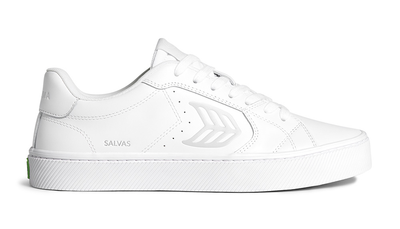
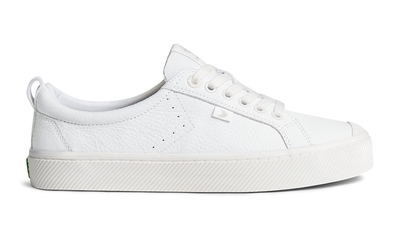
Our focus on sustainability drives the development of our products, ensuring that our wearers enjoy the perfect blend of function, style, and environmental consciousness. Explore our diverse selection, such as the OCA Low Leather Sneakers and the Salvas Leather Collection, designed with the modern consumer in mind.
Treading Lightly: Footsteps Towards a Sustainable Future
Amidst the chatter of busy corridors and the polished elegance of auditoriums, our footwear can silently herald our values. The art of crafting quiet traction in loafer sneakers goes beyond aesthetics—it is about embodying a sustainable ethos and enjoying modern design. By choosing the right outsole patterns, we ensure our steps resonate with purpose rather than noise.
As you navigate your way through various spaces, consider the significant impact of the footwear you choose. We invite you to embrace sustainable footwear solutions that elevate your style while remaining gentle on the environment. To discover how our products can transform your walking experience, don’t hesitate to visit our website for the latest in eco-friendly shoe collections. Together, let’s tread lightly, with both grace and intention.
 Secure Payment
 Express Shipping
 Free Returns
 Top Rated
 Winterproof


