








Mastering the Art of Footwear Care: Preserving Nap and Grain Through Wet Commutes
In the world of sustainable fashion, maintaining high-quality footwear is essential for both longevity and aesthetics. For those who rely on their shoes for daily commutes—especially in wet conditions—a proper maintenance routine can enhance the lifespan and appearance of your beloved footwear. Our commitment at Cariuma to creating sustainable and stylish footwear means we want to help you keep your shoes looking their best for as long as possible. Let's dive into how to effectively preserve the nap and grain of your shoes, particularly when facing the challenges of damp environments.
Understanding the Importance of Material Care
The Role of Different Materials in Footwear
Before creating a maintenance routine, we need to understand the varying materials used in footwear. Leather, canvas, and suede all have different needs when it comes to care.
- Leather: A natural material that requires conditioning to keep it moisturized, which prevents cracking and maintains its supple texture.
- Canvas: More resistant to water, but can absorb stains easily; regular cleaning is essential.
- Suede: More delicate and susceptible to water damage; needs special attention and care to protect its unique texture.
By recognizing the characteristics of each material, we can develop an effective maintenance routine that not only preserves your shoes but enhances their natural beauty as well.
Why Proper Maintenance Matters
Taking care of your footwear is crucial for several reasons:
- Longevity: Well-maintained shoes can last years longer than neglected ones.
- Aesthetics: Preserving the nap and grain keeps shoes looking new and stylish, which is particularly important if you value sustainable fashion.
- Health: Properly cared-for shoes ensure better foot health and comfort.
Establishing a routine is key, and we’ll explore some effective strategies in the sections to follow.
The Essential Maintenance Routine for Your Footwear
Step 1: Regular Cleaning Is Vital
Cleaning your shoes should become a habit, especially after wet commutes. Here’s how to tackle it based on material:
- Leather: Use a soft cloth to remove dirt and dust. Then, apply a leather cleaner followed by a conditioner to maintain moisture.
- Canvas: Rinse off any mud or dirt quickly. A damp cloth works well for light stains, while a gentle scrub with soap may be necessary for tougher ones.
- Suede: Brush gently with a suede brush to lift dirt and restore nap. Avoid water, as it can ruin the texture.
Following these methods can significantly prolong the life of your footwear and keep them looking sharp.
Step 2: Treatment to Protect Footwear
To ensure your shoes withstand the elements, employing protective treatments is a must:
- Waterproofing: Use sprays specifically designed for the material of your shoes. This helps repel water and prevent stains.
- Conditioners: For leather and suede, conditioning every few months ensures the material remains supple and less prone to cracking.
- Protective Soles: Consider adding rubber soles or grips to help with traction in wet conditions, thus preserving the original sole's integrity longer.
Here’s a comparison table of protective products you can use:
| Material | Recommended Product | Frequency of Use |
|---|---|---|
| Leather | Leather conditioner | Every 2-3 months |
| Canvas | Fabric protector spray | After every wash |
| Suede | Suede protector spray | Before and after wet use |
By incorporating these protective measures into your routine, you not only enhance the durability of your footwear but also invest in their aesthetic appeal.
Advanced Techniques for Long-Term Preservation
Step 3: Dealing with Water Damage
Even with the best intentions, wet commutes can lead to unfortunate wear. Here’s how to handle it if your shoes do end up soaked:
- Drying: Immediately remove wet insoles and allow them to air-dry. Avoid direct heat sources as they can warp and damage shoes.
- Restoration: For leather, after drying, use leather conditioner to restore moisture. For suede, after drying, brush gently to lift the fibers.
Addressing water damage promptly can prevent long-term effects, maintaining both the nap and grain while ensuring comfort.
Step 4: Long-term Storage Solutions
When not in use, the way we store our shoes matters significantly:
- Shoe Trees: For leather and suede, using cedar shoe trees can help retain shape and absorb moisture.
- Breathable Bags: Store shoes in breathable fabric bags to avoid trapped moisture and dust accumulation.
- Humidity Control: If storing in a humid area, consider using silica gel packets to wick excess moisture away.
Utilizing these storage solutions will serve you well and keep your footwear looking fresh, regardless of the time spent idle.
A Reflective Path to Sustainable Footwear Care
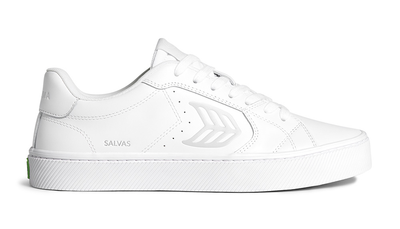
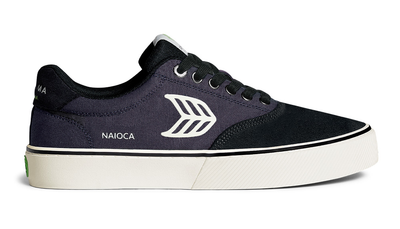
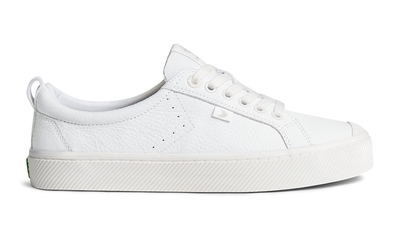
Embracing a routine to care for your footwear is not just about appearances; it's a commitment to sustainability and quality. By being proactive, we not only elongate the life of our shoes but also minimize waste—a core principle of sustainable fashion. Our products, such as the OCA Low Leather Sneakers or the Salvas Leather Women, are designed with this philosophy in mind.
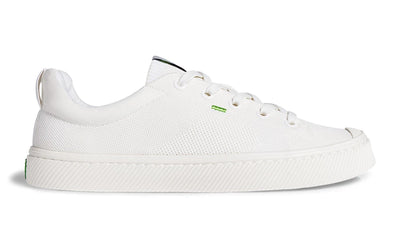
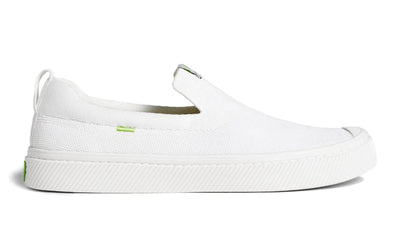
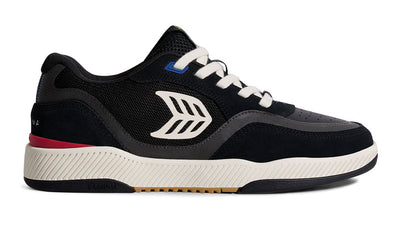
Integrating these maintenance steps into your daily life reinforces the value of investing in high-quality, sustainable footwear. Remember, each pair of shoes is a step toward a greener planet. Whether you choose our durable CATIBA PRO Low Men or the stylish Ibira Women, commit to caring for your footwear to ensure it serves you well through every adventure.
Ultimately, by following these outlined maintenance routines, you can effectively preserve the nap and grain of your footwear, allowing them to shine even through wet commutes. Our mission is to help you walk sustainably while ensuring you look good at every step—explore our full range of styles at Cariuma.
 Secure Payment
 Express Shipping
 Free Returns
 Top Rated
 Winterproof


