








Finding the Perfect Sock Fiber: A Warm and Breathable Experience on the Slopes
When hitting the slopes, the right gear can make all the difference, and this includes your socks. While many might overlook the importance of sock fibers, understanding which ones offer optimal warmth and breathability is crucial for a comfortable, enjoyable day in the snow. As avid skiers and snowboarders, we want to ensure that our feet are warm but not overly sweaty—after all, nothing can sour an exhilarating day of riding like cold, damp feet.
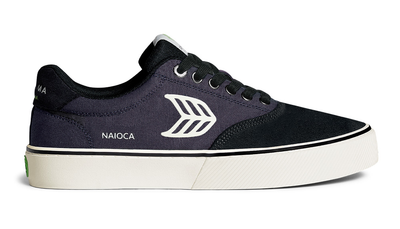
In our pursuit of sustainable and high-quality products, we invite you to explore the wonders of eco-friendly materials in your footwear; our commitment to sustainability shines through in the designs we offer. You can check out our collection at Cariuma for stylish and sustainable options perfect for après-ski as well.
The Quest for Warmth and Breathability
When looking for the ideal sock to balance warmth and breathability, it's essential to consider the fibers that impact performance. Varieties like merino wool, synthetic blends, and bamboo have garnered significant attention for their particular properties. Let’s delve into these sock fibers that have become favorites in the skiing community.
Merino Wool: Nature’s Insulator
Merino wool is a favorite among winter sports enthusiasts for its remarkable thermal properties. It provides insulation without compromising breathability, keeping your feet warm while allowing moisture to escape. This is critical after a long day of skiing when your feet may perspire.
-
Benefits of Merino Wool:
- Excellent moisture-wicking capabilities
- Naturally antimicrobial, preventing odor
- Soft texture that reduces itchiness
One of the main drawbacks of merino wool includes its susceptibility to wear and tear over time. Considering this, many manufacturers have begun blending merino wool with synthetic fibers, maintaining comfort while enhancing durability. Sock manufacturing technology has evolved, ensuring improved durability without relinquishing breathability.
Synthetic Blends: The Ultimate Performance Tech
Synthetic sock materials are clever innovations that have transformed the athlete’s experience. Materials like polyester, nylon, and spandex are engineered for performance, offering moisture-wicking, stretch, and durability—all crucial for conquering snowy terrains.
-
Advantages of Synthetic Fibers:
- Ultra-lightweight and breathable
- Quick-drying after water exposure
- Resilient and resistant to shrinking
While synthetic socks can do an excellent job of keeping your feet dry, they may lack the natural warmth of wool. For this reason, many snow-loving individuals opt for a blend of both fibers to reap the benefits of both worlds.
Exploring Bamboo Socks: The Eco-Friendly Option
If sustainability is your ethos, you might want to explore bamboo socks, a newer addition to the skiing sock market. Bamboo fibers are exceptionally breathable and offer excellent moisture-wicking properties, perfect for keeping that climate balance just right during your slopeside adventures.
-
Why Choose Bamboo?
- Highly breathable and natural temperature regulator
- Naturally antibacterial and odor-resistant
- Eco-friendly and biodegradable
Bamboo, however, may not provide the same level of insulation as wool or synthetic fibers during frigid conditions. Just as with merino and synthetics, it’s essential to find the right fit for your skiing activities and climate conditions.
Layering Up: The Impact of Sock Thickness and Fit
Equally important as the fibers is the sock thickness and fit. When choosing skiing socks, it's advisable to pay attention to the thickness to optimize performance.
Understanding Sock Thickness
The thickness of your socks can greatly impact warmth and breathability. Different thicknesses provide various benefits:
| Sock Thickness | Warmth Level | Breathability Level | Best Use Case |
|---|---|---|---|
| Thin | Moderate | High | Spring skiing, warm climates |
| Medium | High | Moderate | All-mountain skiing |
| Thick | Very High | Low | Extreme cold environments |
Achieving the Perfect Fit
The fit of your socks can also be a game-changer. Here are tips for ensuring a snug yet comfortable fit:
- Select the Right Size: Socks should fit your feet without sagging or bunching.
- Compression Benefits: Consider socks with compression features to improve blood flow and comfort.
- Crew Length vs. Knee-High: Depending on your preferences, choose between crew-length for regular boots or knee-high for added warmth and protection.
Balancing Warmth, Fit, and Fiber Selection
Each component plays a crucial role, and it often takes a combination of socks, thickness, and fiber types to ensure your feet remain warm yet breathable throughout the day. It's about understanding the unique needs of your feet and skiing style.
A Sustainable Approach: Choosing Eco-Friendly Materials
As we enjoy the thrill of skiing and snowboarding, it’s vital to remind ourselves of sustainability. The outdoor community increasingly embraces eco-friendly materials, and many brands have started producing socks using recycled fibers and sustainable resources.
Eco-Friendly Sock Brands to Consider
Not every sock brand is committed to sustainability, but here are a few that have made strides in eco-friendly practices:
- Smartwool: This brand utilizes responsible wool standards and recycled fibers.
- Darn Tough: Known for their durable merino wool offerings, they are committed to environmentally responsible practices.
- Allbirds: A lifestyle brand focusing on sustainable materials including Tencel and wool.
Embracing Responsible Manufacturing
Our commitment to sustainability at Cariuma extends beyond footwear; it’s about fostering a cleaner, healthier planet. By selecting socks made from eco-friendly materials, you're not just investing in comfort—you're participating in a wider movement toward responsible fashion.
Venting It Out: Nurturing Foot Health on the Slopes
After a long day of skiing or snowboarding, it’s vital to take care of your feet to ensure your body recovers properly from the stresses of performance.
Importance of Post-Ski Foot Care
Just as preparing before hitting the slopes is crucial, taking care of your feet afterward completes the cycle of good health. Here are some tips:
- Air Them Out: After a long day on the slopes, take off your socks and boots to let your feet breathe.
- Moisturize: Apply foot cream to prevent dryness and cracks, especially during harsh winter climates.
- Check for Injuries: Inspect your feet for blisters or irritations that may have developed during skiing.
The Role of Quality Footwear
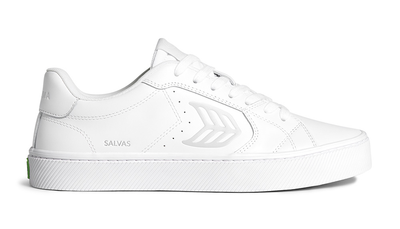
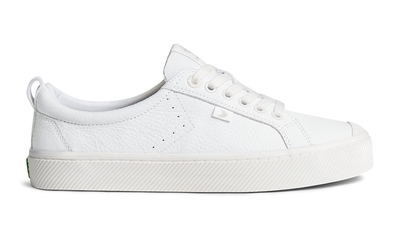
Quality footwear plays a significant role in foot health. Consider shoes that provide ample arch support and proper fit. We recommend checking out our stylish and sustainable options, such as the OCA Low Leather Sneakers or Salvas Leather Men, designed with comfort and sustainability in mind.
Stepping into the Future of Sustainable Sock Fibers
In a rapidly changing world, our pursuit of sustainable fashion has never been more critical. The emergence of innovative sock fibers such as merino wool, synthetic blends, and bamboo presents better options for the everyday skier, combining warmth, comfort, and breathability.
Reflecting on Your Choices
Our choices in fabrics and materials are a reflection of our values. As you gear up for adventures on the slopes, let’s commit to making environmentally conscious decisions that not only benefit us but also the planet. By opting for high-quality, sustainable products like those offered in our collection at Cariuma, you not only enhance your performance but contribute to a more eco-friendly future.
So next time you hit the slopes, remember—your sock fiber can make all the difference. Whether you’re sporting merino wool with synthetic blends or trying out bamboo, enjoy the outdoors sustainably!
 Secure Payment
 Express Shipping
 Free Returns
 Top Rated
 Winterproof


